

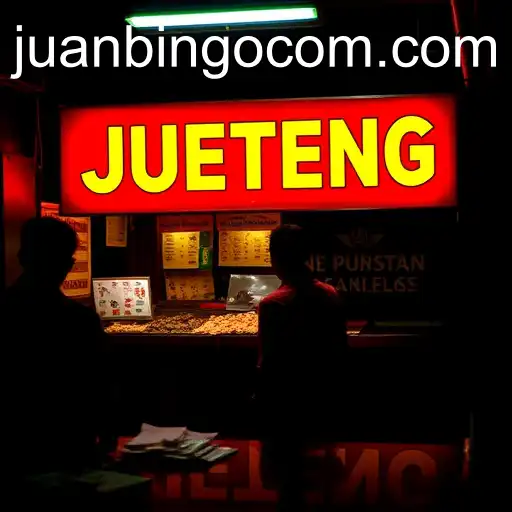

In the intricate socio-political landscape of the Philippines, gambling has always played a significant role. Among various forms of gambling, Jueteng stands out not just for its prevalence but for its deep-rooted cultural and economic implications. Often overshadowed by more regulated forms of gambling, such as lotteries and casinos, Jueteng thrives in the shadows, fueled by its simplicity and accessibility. This article delves into the world of Jueteng, exploring its dynamics and the intriguing role that JUANBINGO plays in this complex ecosystem.
Jueteng, believed to have originated from China, has become deeply embedded in Filipino culture over the years. It is a numbers game where bettors select two numbers ranging from 1 to 37. The winning combination is drawn, and those who have wagered correctly take home a substantial payoff. Despite its illegal status, Jueteng operates openly in many communities, bolstered by a network of bet collectors known as "cobradores" and high-profile protectors.
Jueteng is not just about gambling; it is a socio-economic phenomenon. It generates employment for thousands who act as cobradores and cabecillas, intermediaries who manage betting operations on a larger scale. For many, Jueteng provides a means to earn a living in regions where employment opportunities are scarce.
Beyond the grassroots level, Jueteng money influences politics and governance. Allegations of Jueteng proceeds funding political campaigns are common, affecting the integrity of public office. Thus, while it offers economic support to many, it also perpetuates cycles of corruption and power imbalances.
Amidst the traditional framework of Jueteng, new iterations such as JUANBINGO have emerged. Jueteng typically relies on local traditions, but JUANBINGO introduces a modern twist, integrating digital platforms to reach a broader audience. As concerns around traditional Jueteng's sustainability grow, JUANBINGO represents a potential evolution of this age-old practice.
JUANBINGO leverages technology to maintain the essence of traditional gaming while adapting to contemporary digital trends. By providing an online platform for gambling, it expands access, enabling more players to participate from anywhere with internet connectivity. This transition raises questions about the regulation of such modern forms of gambling, as traditional governance protects Jueteng operations in physical spaces.
The shift to digital formats like JUANBINGO presents challenges both legally and operationally. While the internet offers anonymity and ease of access, it also complicates legal enforcement. Both Jueteng and its digital counterparts exist in a gray area of legality, making regulatory frameworks necessary yet difficult to implement.
The Philippines faces a decision on how to manage this evolution. Should JUANBINGO be regulated like lotteries to ensure fair play and taxation, or should it remain in the shadows as a digital descendant of Jueteng, unmonitored by governmental oversight? This issue remains at the forefront of gambling discourse in the country.
Jueteng and, by extension, JUANBINGO, are not merely games of chance. They represent cultural symbols deeply woven into the fabric of Filipino society. The numbers in Jueteng often hold sentimental or spiritual significance, chosen based on dreams, omens, or advice from "dream interpreters." This cultural nuance adds a layer of complexity to an otherwise straightforward betting game.
JUANBINGO, while modernizing the process, must navigate these traditional beliefs to capture the market effectively. Its success will depend not only on technological advancements but also on its ability to respect and reflect these deep-seated cultural practices.
The future of gambling in the Philippines is at a crossroads, with Jueteng and JUANBINGO at the center of the debate. Economic necessity, cultural significance, and technological adaptations will all play critical roles in shaping their trajectories.
The prospect of legalizing Jueteng has been tabled several times, a move that could formalize its existence, bringing taxable revenue while ensuring regulatory oversight. Conversely, the burgeoning popularity of alternatives like JUANBINGO suggests that even without legalization, the spirit of Jueteng will persist, adapting to change as it has throughout history.
Jueteng remains a contentious issue, balancing between legality and tradition, offering livelihoods while posing ethical challenges. As the world digitizes, platforms like JUANBINGO might well chart the new direction for Jueteng, steering it towards a future where cultural tradition meets innovation.

Explore the thrilling world of RacingJoker, an innovative game that combines elements of racing and strategy.
Discover the captivating features of the 888CaiShen game and how the JUANBINGO keyword adds a thrilling dimension to the gameplay. Learn about the mechanics, rules, and cultural significance within the current global gaming landscape.

Discover the captivating game of MassiveLuck, where players engage with the exciting element of luck through the innovative JUANBINGO mode.

Dive into the thrilling gameplay of 3ChargeBuffalo, understand its rules, and discover why it's capturing the attention of gamers worldwide.

Discover the captivating experience of playing LuckySmile with its unique JUANBINGO feature.

Discover the exhilarating world of BlackBooze, a game that blends strategy, chance, and social dynamics, defined by its unique set of rules and interactive gameplay. Explore how BlackBooze is poised to reshape gaming communities worldwide.
